experience
Silent Path
Silent Path
Silent Path
By Venerable Yen-Cheng
By Venerable Yen-Cheng
Editor’s Note
Venerable Yen-Cheng (釋演正) was ordained in the Chinese Mahayana tradition of Buddhism under Dharma Drum Mountain in 2011. In addition to lecturing at Dharma Drum Sangha University, he has edited and authored numerous books and articles in Buddhist history, culture, and practice. Venerable Yen-Cheng is currently pursuing a PhD at Nava Nalanda Mahavihara in Bihar, India.
The following poem draws on a remarkable breadth of philosophical and literary traditions. The Greek term λόγος (logos) evokes reason and cosmic order; the Sanskrit धर्म (dharma) points to truth, moral law, and the path central to Buddhist teaching. The poem also carries the unmistakable imprint of classical Chinese thought, from the philosophy of the Tao Te Ching to Confucian ethics. Together, these traditions appear not as competing systems but as voices in a shared conversation about how a human life should be lived. Stanza divisions and lineation lightly adjusted by the editor: Edward Lin.
— ✦ —
Silent Path
Perhaps I will die in a far place,
die on that path where snowy mountains drift,
where ocean, sky, and clouds
rise in an instant.
To sacrifice my life—without being depressed;
to live, moving toward the sinking sun,
after the glow of dawn.
Since I have believed,
received, honoured, and practiced,
let me not look back any further.
In the moment of advancing,
if I cannot give up all that is redundant and flawed,
I cannot transform it all into the Land of Bliss.
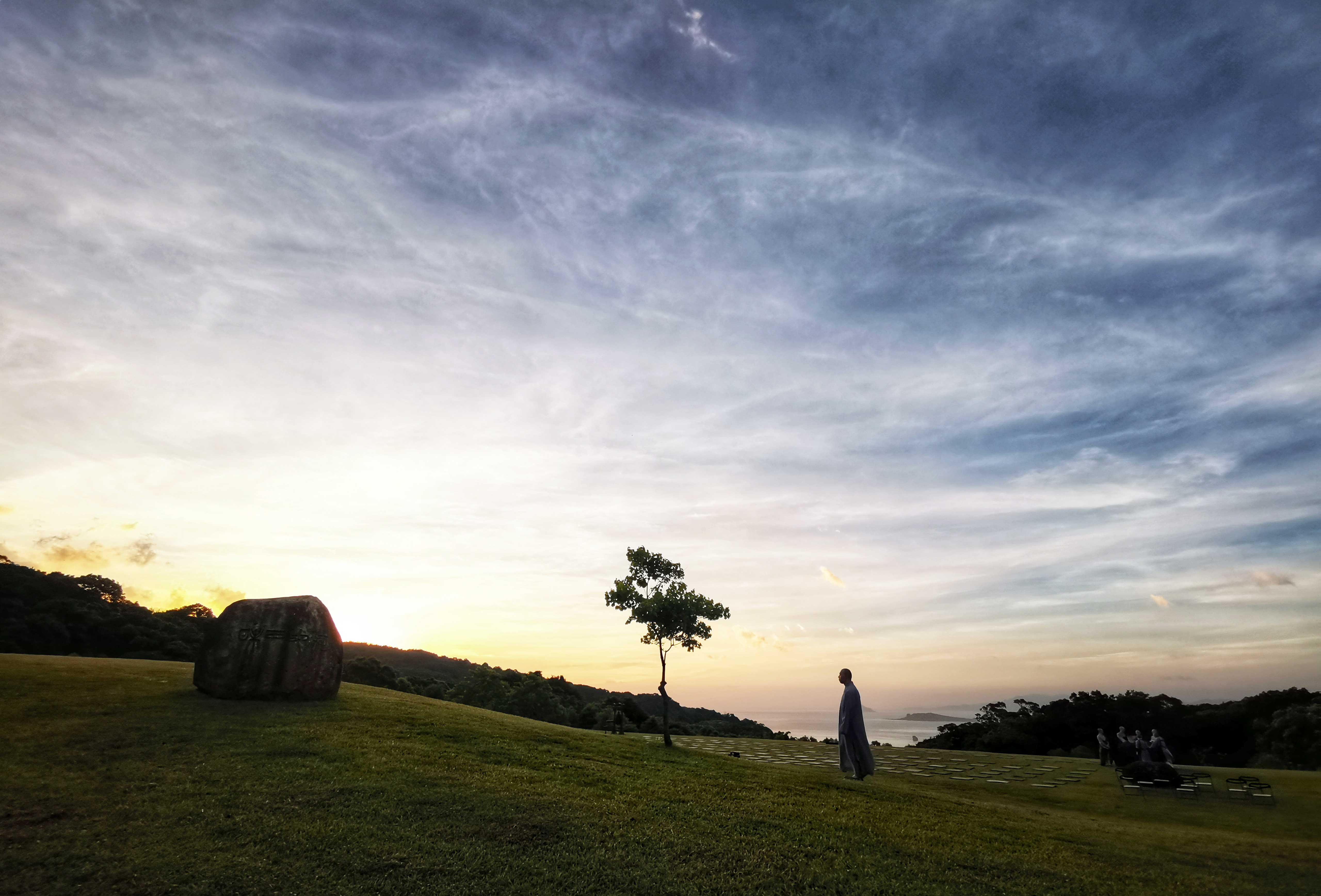
Photo by Ven. Chang Duo
When I return to this solitary world,
I shall strive, my spirit roused again,
to serenely guide the westerly winds
and rains over the tranquil dusk.
Dependent Origination—never gone!
Ah, this human world!
May all beings awaken,
no longer divided into poverty and wealth,
nobility and baseness,
ignorance and hegemony;
leaving only the drifting fragrance of osmanthus,
recited aloud by children,
the λόγος, the धर्म—
compassion, loyalty, and filial piety...
Abandon Sageliness and Wisdom;
ten thousand years in a single thought.
To wait a hundred, or a thousand more—
all for spring and tung-oil trees in bloom,
for the boat that returns and moors.
May this world, from now on,
up and down, left and right,
hold in its embrace a heart of equal respect;
no longer fervently reenacting Sisyphus,
far from slogans, cycles, and classes;
loosening the suspended existence, truth, and universe.
After all, however great the Lord of old stories may be—
he still cannot govern what happens
when you meet the world
with honest eyes and gentle words,
and let the frost melt
on the edge of a warm stove.
The future is not fantasy,
nor a far-off wish.
As long as we can stand—
clean, uncluttered, alone
yet unafraid;
with heaven and earth wide-open,
in silence and illumination—
what rises into the sky,
in the end, is always the bird
willing to leave the cage.

Photo by pexels-lucaspezeta
Hold it in our hands—and fear has nowhere to land.
If what must be done is already done,
why ask for shortcuts?
Mud on the talons of a great bird—let it be.
Walk the path
from valley floor to mountain crest,
and look again in every direction
along the way—across the north, south, east, and west…
— ✦ —
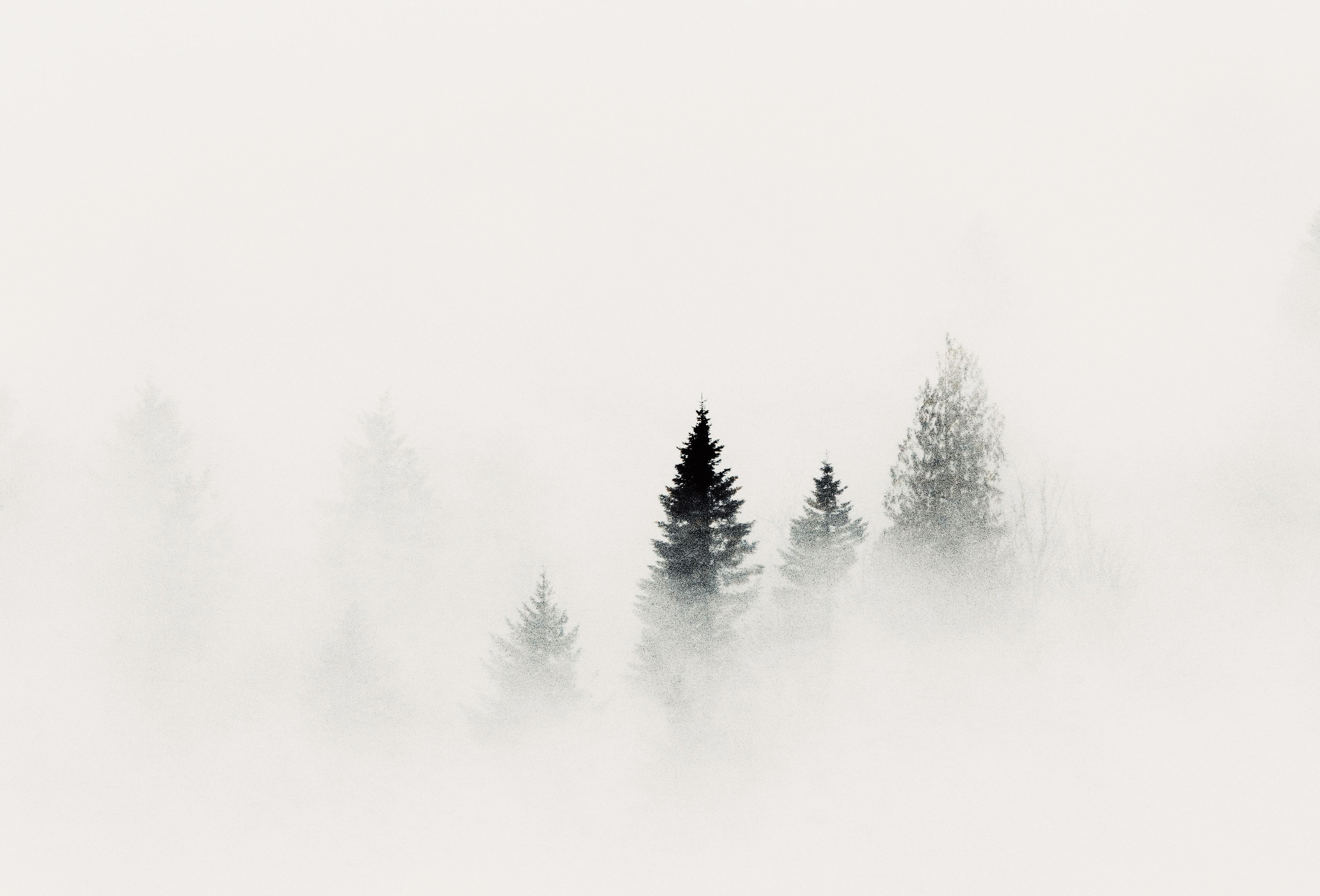
Cover photo by pexels-eberhardgross
Editor’s Note
Venerable Yen-Cheng (釋演正) was ordained in the Chinese Mahayana tradition of Buddhism under Dharma Drum Mountain in 2011. In addition to lecturing at Dharma Drum Sangha University, he has edited and authored numerous books and articles in Buddhist history, culture, and practice. Venerable Yen-Cheng is currently pursuing a PhD at Nava Nalanda Mahavihara in Bihar, India.
The following poem draws on a remarkable breadth of philosophical and literary traditions. The Greek term λόγος (logos) evokes reason and cosmic order; the Sanskrit धर्म (dharma) points to truth, moral law, and the path central to Buddhist teaching. The poem also carries the unmistakable imprint of classical Chinese thought, from the philosophy of the Tao Te Ching to Confucian ethics. Together, these traditions appear not as competing systems but as voices in a shared conversation about how a human life should be lived. Stanza divisions and lineation lightly adjusted by the editor: Edward Lin.
— ✦ —
Silent Path
Perhaps I will die in a far place,
die on that path where snowy mountains drift,
where ocean, sky, and clouds
rise in an instant.
To sacrifice my life—without being depressed;
to live, moving toward the sinking sun,
after the glow of dawn.
Since I have believed,
received, honoured, and practiced,
let me not look back any further.
In the moment of advancing,
if I cannot give up all that is redundant and flawed,
I cannot transform it all into the Land of Bliss.
Photo by Ven. Chang Duo
When I return to this solitary world,
I shall strive, my spirit roused again,
to serenely guide the westerly winds
and rains over the tranquil dusk.
Dependent Origination—never gone!
Ah, this human world!
May all beings awaken,
no longer divided into poverty and wealth,
nobility and baseness,
ignorance and hegemony;
leaving only the drifting fragrance of osmanthus,
recited aloud by children,
the λόγος, the धर्म—
compassion, loyalty, and filial piety...
Abandon Sageliness and Wisdom;
ten thousand years in a single thought.
To wait a hundred, or a thousand more—
all for spring and tung-oil trees in bloom,
for the boat that returns and moors.
May this world, from now on,
up and down, left and right,
hold in its embrace a heart of equal respect;
no longer fervently reenacting Sisyphus,
far from slogans, cycles, and classes;
loosening the suspended existence, truth, and universe.
After all, however great the Lord of old stories may be—
he still cannot govern what happens
when you meet the world
with honest eyes and gentle words,
and let the frost melt
on the edge of a warm stove.
The future is not fantasy,
nor a far-off wish.
As long as we can stand—
clean, uncluttered, alone
yet unafraid;
with heaven and earth wide-open,
in silence and illumination—
what rises into the sky,
in the end, is always the bird
willing to leave the cage.
Photo by pexels-lucaspezeta
Hold it in our hands—and fear has nowhere to land.
If what must be done is already done,
why ask for shortcuts?
Mud on the talons of a great bird—let it be.
Walk the path
from valley floor to mountain crest,
and look again in every direction
along the way—across the north, south, east, and west…
— ✦ —
Cover photo by pexels-eberhardgross
Get Chan Magazine sent to your inbox
Once quarterly
Please check your mailbox to confirm your subscription after clicking Subscribe.
Get Chan Magazine sent to your inbox
Once quarterly
Please check your mailbox to confirm your subscription after clicking Subscribe.