reflective
Embracing the Changes: Buddhist Teachings for Today
Embracing the Changes: Buddhist Teachings for Today
Embracing the Changes: Buddhist Teachings for Today
By Venerable Chang Hwa, PhD
By Venerable Chang Hwa, PhD
Editor’s Note
Venerable Chang Hwa is the Director of the Chan Meditation Center. In addition, she supervises Dharma Drum Mountain Dharmapala Groups in North America, gives public lectures, and leads meditation programs. She holds a PhD in Biochemistry from the University of North Carolina at Chapel Hill.
In this reflective essay, originally published in Wacana Magazine, WACANA 2025 Buddhist Conference (Nalanda Institute Malaysia, December 2025), Venerable Chang Hwa draws on her unique background in both science and monastic life to explore how Buddhist teachings remain relevant in an era shaped by rapid technological and social change. Her reflections remind us that while the tools and circumstances of our world continue to evolve, the cultivation of compassion and clarity of mind remains central to the Buddhist path.
— ✦ —
In 2005, I was fully ordained as a Buddhist nun after more than ten years of graduate and postgraduate studies in biochemistry, molecular biology, and biophysics. The idea of leaving home began to take shape during a 7-day retreat in 1998 with my Shifu, the late Chan Master Sheng Yen, when I realized that the mind was indeed not the brain. I decided to take a different approach to discover what life truly is. It is not an easy task. Not only do I need to address all the questions from congregants and from myself when facing external challenges, but I must also deal with my habitual tendencies (karma) within.
Transforming a Scientific Mind into a Buddhist Mind
As a monastic, I constantly remind myself that the Three Studies of Precept, Concentration, and Wisdom are my guidelines, and impartial compassion is the foundation. In this article, I would like to share some of my reflections on how I transformed a scientific mind into a Buddhist mind to better view the challenges we face today and how Buddhist teachings can be applied.
Biogenetic Contamination
I remember 2003, I had just joined the Sangha to receive formal novice training in Taiwan. One day during a retreat, our Shifu announced to the entire Sangha that there was a dangerous outbreak of the respiratory SARS virus in Taiwan. Upon hearing the news, my mind immediately raced with the following thoughts: check the DNA sequences, develop a vaccine, and so on.
Unfortunately, as a novice, I was not allowed to access computers or TVs—let alone read scientific journals to find out what was happening. Everyone was required to stay at the temple, our Shifu said, and he would assign representatives to the hospitals for caregiving purposes. My mind was unsettled for many days. I kept thinking that maybe I should go back to the lab and do something that would really help, instead of just sitting in the Chan Hall!
In January 2020, after we had just returned from a pilgrimage to India, I began receiving news about a virus outbreak in Wuhan, China. It was reported to be extremely contagious and deadly. This time, instead of pursuing scientific truth, I fully devoted myself to an organizational assignment to immediately launch a fundraising project to purchase as much PPE as possible in the U.S. and deliver it to Wuhan.
Purchasing PPE was extremely difficult at the time, and delivering them to Wuhan seemed almost impossible. But through the help of many people and numerous communications, the PPE was eventually delivered. When I read the thank-you letters from hospitals in Wuhan, my eyes filled with tears. I suddenly felt a deep sense of gratitude and the merit of the whole process.
I am grateful for those who helped, and even more so for those who were suffering and in need. What our master always said has remained deeply etched in my mind: "Those who help are Bodhisattvas, and those who suffer are great Bodhisattvas."
Compassion Brings Mutual Benefit
In March, when COVID-19 was officially declared a pandemic, New York City experienced a painful lockdown. Most of us were confined to small living spaces. New York City had the highest death toll in the United States, and the area where our temple is located had the highest rate in the city. Sirens wailed day and night. Dead bodies were constantly being transported to nearby hospitals. The entire city was engulfed in fear.
Then, through a very complicated process, masks were sent to us from China. We received over 100,000 masks and managed to distribute them to all our congregants, hospitals and nursing homes, police stations, homeless shelters, and churches. We had helped people in China, and now they were helping us in return.
At the same time, our temple initiated a 30-day program to chant The Sutra of Earth Store Bodhisattva. We spent two hours online every day. Even though we were physically separated, we stayed spiritually connected. After the chanting, I shared updates on how we were using the donations for the COVID-19 Relief Project.
The situation was so dire that I sometimes wondered if I might die. In Manhattan, residents would clap simultaneously from their tiny apartments to thank and encourage hospital workers. We lived each day with fear and hope. It became clear that helping and caring for others builds resilience and helps us overcome our own difficulties.
People are saying that another biogenetic virus outbreak might happen again. It seems genetic contamination is unavoidable. On top of that, the Paris Agreement of 2015 has not been enough to stop air and water pollution, and we are seeing more natural disasters due to climate change.
Regardless of what happens, helping those who are suffering keeps us connected and brings peace and joy. Helping others is helping ourselves. That’s what happened during the pandemic. When the world is in trauma, a compassionate mind is the cure.
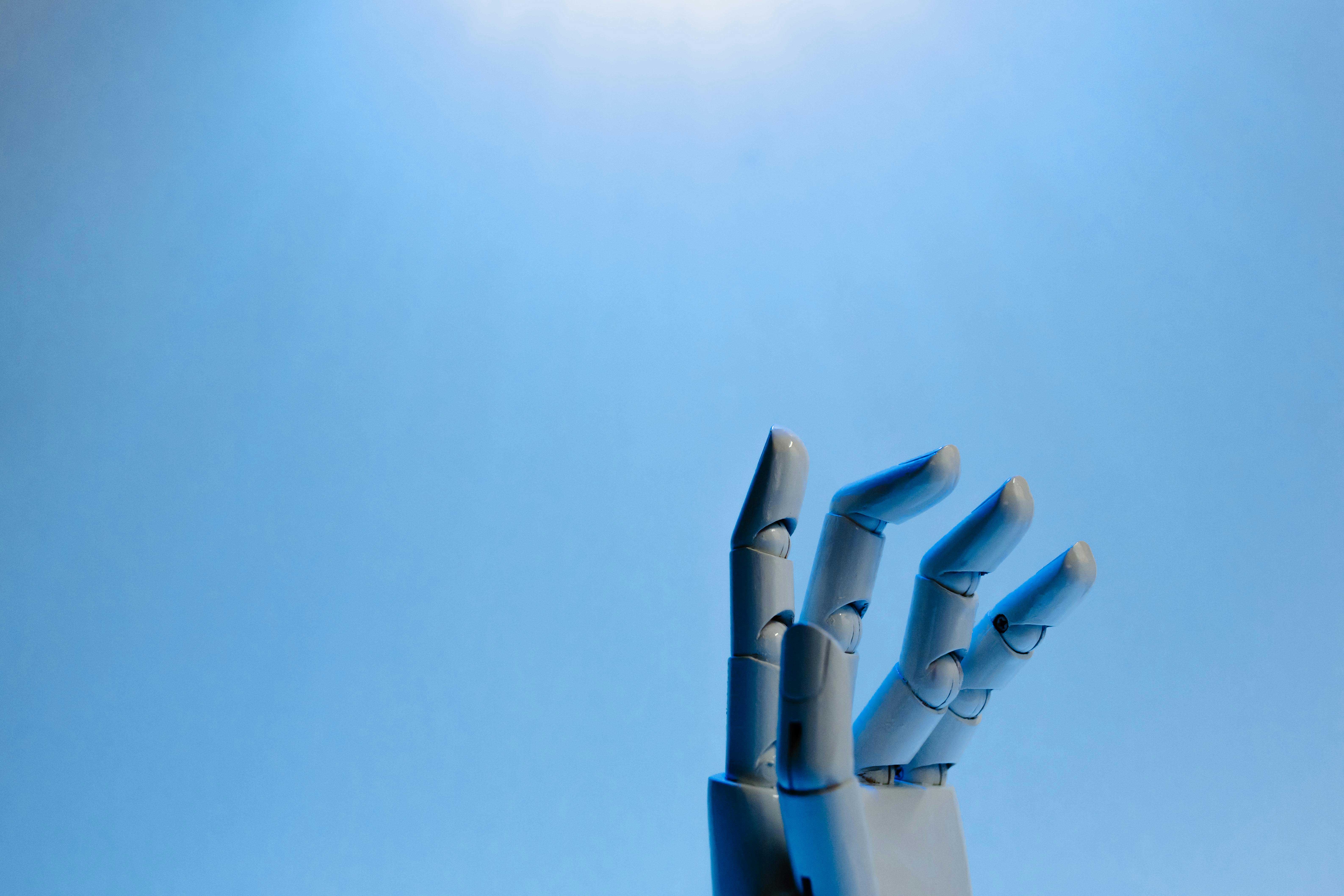
Photo by pexels-tara-winstead
The Impact of Artificial Intelligence
Another hot topic today is artificial intelligence (AI). The AI revolution is expected to bring even more dramatic changes than the Industrial Revolution. AI is so powerful and overwhelming that it often surpasses our imagination and predictions.
In the future, nearly every aspect of life could become automated. We might spend more time with robots than with real humans. Humans will be able to accomplish previously impossible tasks under extreme conditions. AI might even take us to the moon, Mars, or other planets.
On the other hand, as AI advances our capabilities, it will also change our family values, relationships, social structures, and even our ethics and morality. It could transform the leadership, structures, and functions of organizations, institutions, nations—and possibly lead the world into a new type of systemized order.
With biotechnology and AI, stronger desires may deepen addiction; more violent weapons might be developed in the name of justice or war; and pre-programmed bias and over-reliance on AI could lead to large-scale group stupidity.
We must remain alert to moral and ethical issues. Otherwise, we risk gradually losing our sense of right and wrong.
Yet, no matter the era or challenges we face, our tasks in this life remain the same:
● To overcome cravings from the five sensual desires
● To avoid hatred from discrimination and injustice
● And to transcend the fundamental ignorance of not knowing true reality
The karma we create in this life will bring consequences sooner or later, through our consciousness.
How Can Buddhist Teachings Play a Role in the AI + Biotech Era?
Our practice still aligns with the Three Studies:
● Precept: Avoid the unwholesome
● Concentration (Samadhi): Purify the mind
● Wisdom: Cultivate the wholesome
Even though sensory craving may be deepened by the illusory fantasies created by AI, we can teach AI to help us distinguish needs from wants and guide us in detaching from wrongful desires. We may also misuse AI to deal with anger and hatred in harmful ways. Therefore, we should teach AI to help us recognize our emotions and remind us to use compassion and wisdom rather than violence.
Maintaining a concentrated mind is crucial in this era of overwhelming information. We must educate the younger generation not only about the brain or knowledge but about the mind—and help them cultivate compassion and wisdom. Even if the teachers are robots, we need to educate and train them in the same way.
That means inputting compassion and wisdom into big data so that AI functions with right view and is not misled by a cold, knowledge-only database. We play a critical role in shaping how AI is—and will be—used.
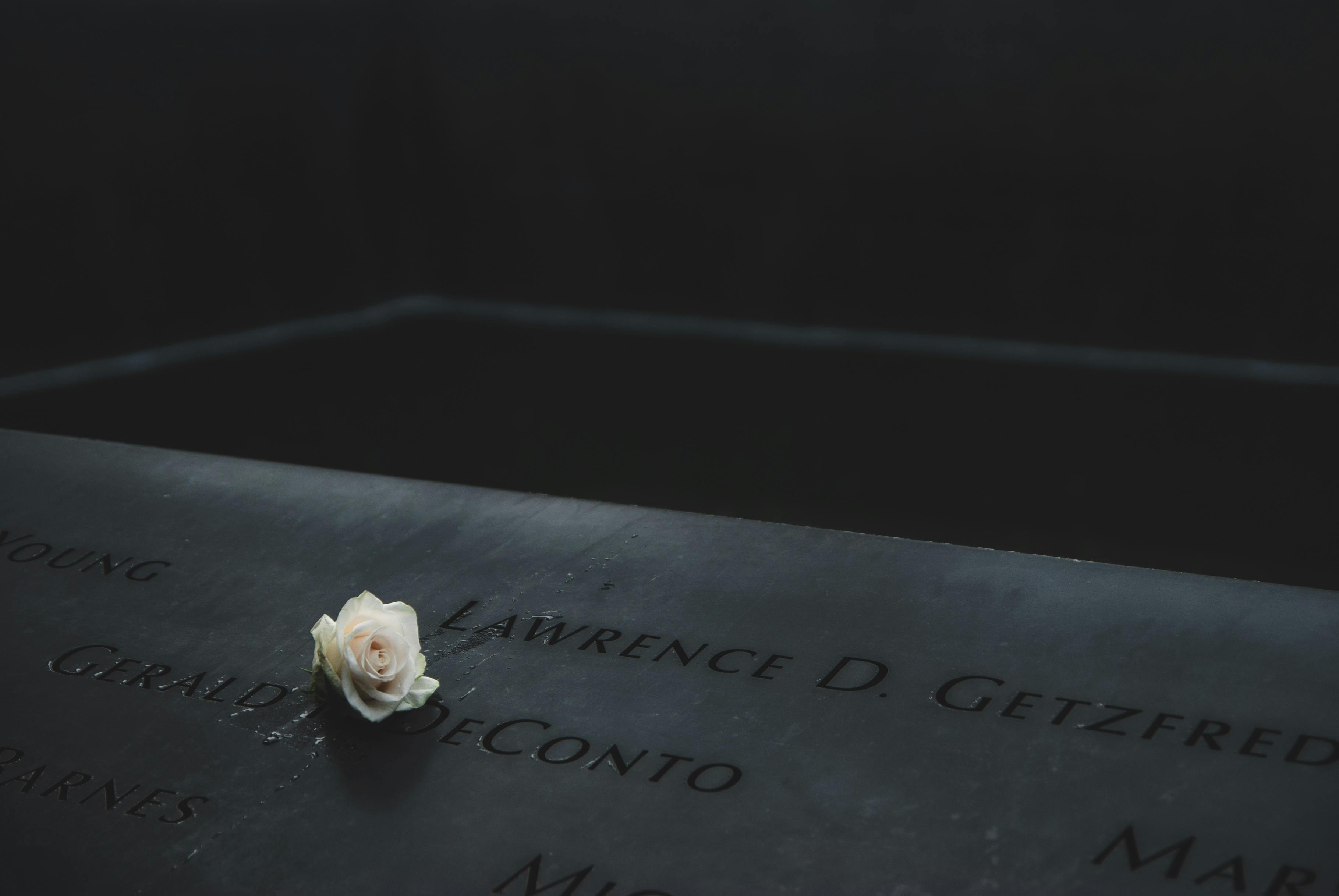
Photo by pexels-larsmulder
The Power of Mind in Silence
In May 2015, I took our sister nuns from Taiwan to visit the 9/11 Memorial Museum. That first visit brought me great sorrow. The recordings from the first, second, and third planes were stirring and heavy, while the fourth became tragic yet heroic. The atmosphere was filled with grief. I silently chanted the Medicine Buddha Mantra throughout the visit. I told myself this museum needs a powerful interfaith prayer to help the wandering spirits still holding painful memories.
Magically, on September 25, 2015, I was invited to participate in an interfaith joint prayer service in New York led by the late Pope Francis. That day, one thousand religious leaders from different faiths gathered at Ground Zero.
As we awaited the Pope’s arrival, everyone remained silent. We all understood the significance of this place and the reason for our gathering. The silence from one thousand minds in prayer was so powerful that the atmosphere transformed from one of grief to one of peace and clarity.
I felt the energy lift, and the pain melt away. It was the first time I experienced such a powerful transformation through collective silence. It made me realize that a concentrated, meditative mind can truly help beings transcend suffering and bring peace.
I am certain this could not be accomplished by a thousand silent robots—no matter how intelligent. The mind is the way, if not the only way.
Summary
No matter how advanced technology becomes or what disasters we may face, a compassionate mind and wisdom are vital for building resilience, overcoming the challenges of life, and searching for its true meaning. Keeping our minds free from contamination and defilement remains the primary task for Buddhists.
All teachings from the Buddha, patriarchs, and masters tell us: If we want to see our true mind—which is pervasive, impartial, and omniscient—we must let go of the framing created by our conscious discrimination: symbols, knowledge, concepts, and logic.
These are merely tools, not our true mind. AI may eventually surpass human intelligence and become an amazing tool, allowing us to work less and practice more. Ultimately, the reason we are born as human beings is to transcend spiritually and to build wholesome relationships with all beings.
So, we must embrace these changes and remain optimistic as we learn to use AI to teach the Dharma, guide meditation practice, and purify the mind. We also need to learn how to use AI to run temples, organize and train volunteers, and help relieve suffering in our congregations and society.
As monastics or lay Dharma teachers, we still carry the responsibility to uphold the Three Jewels of Buddha, Dharma, and Sangha. Teaching the Three Studies of Precept, Concentration, and Wisdom remains our mission—though our tools may change.
No matter what happens, the practice of staying in control of our own minds and staying connected to others through compassionate minds never changes.
— ✦ —
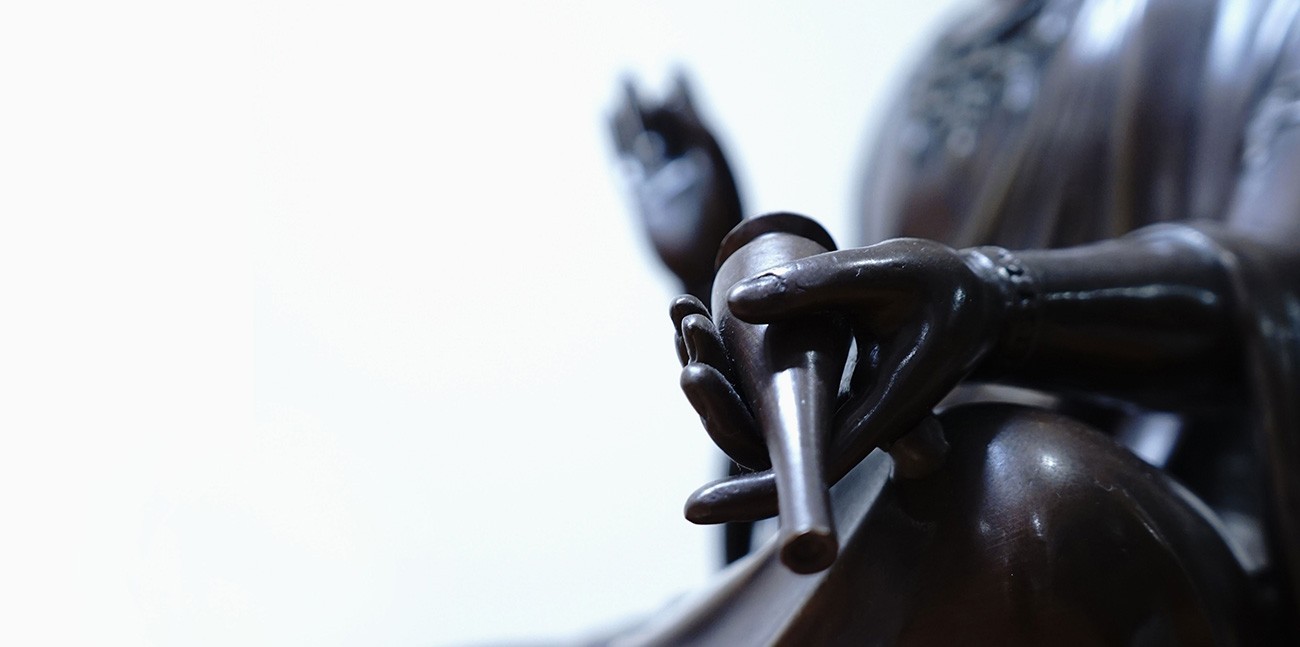
Cover photo by Ven. Changzhai
Editor’s Note
Venerable Chang Hwa is the Director of the Chan Meditation Center. In addition, she supervises Dharma Drum Mountain Dharmapala Groups in North America, gives public lectures, and leads meditation programs. She holds a PhD in Biochemistry from the University of North Carolina at Chapel Hill.
In this reflective essay, originally published in Wacana Magazine, WACANA 2025 Buddhist Conference (Nalanda Institute Malaysia, December 2025), Venerable Chang Hwa draws on her unique background in both science and monastic life to explore how Buddhist teachings remain relevant in an era shaped by rapid technological and social change. Her reflections remind us that while the tools and circumstances of our world continue to evolve, the cultivation of compassion and clarity of mind remains central to the Buddhist path.
— ✦ —
In 2005, I was fully ordained as a Buddhist nun after more than ten years of graduate and postgraduate studies in biochemistry, molecular biology, and biophysics. The idea of leaving home began to take shape during a 7-day retreat in 1998 with my Shifu, the late Chan Master Sheng Yen, when I realized that the mind was indeed not the brain. I decided to take a different approach to discover what life truly is. It is not an easy task. Not only do I need to address all the questions from congregants and from myself when facing external challenges, but I must also deal with my habitual tendencies (karma) within.
Transforming a Scientific Mind into a Buddhist Mind
As a monastic, I constantly remind myself that the Three Studies of Precept, Concentration, and Wisdom are my guidelines, and impartial compassion is the foundation. In this article, I would like to share some of my reflections on how I transformed a scientific mind into a Buddhist mind to better view the challenges we face today and how Buddhist teachings can be applied.
Biogenetic Contamination
I remember 2003, I had just joined the Sangha to receive formal novice training in Taiwan. One day during a retreat, our Shifu announced to the entire Sangha that there was a dangerous outbreak of the respiratory SARS virus in Taiwan. Upon hearing the news, my mind immediately raced with the following thoughts: check the DNA sequences, develop a vaccine, and so on.
Unfortunately, as a novice, I was not allowed to access computers or TVs—let alone read scientific journals to find out what was happening. Everyone was required to stay at the temple, our Shifu said, and he would assign representatives to the hospitals for caregiving purposes. My mind was unsettled for many days. I kept thinking that maybe I should go back to the lab and do something that would really help, instead of just sitting in the Chan Hall!
In January 2020, after we had just returned from a pilgrimage to India, I began receiving news about a virus outbreak in Wuhan, China. It was reported to be extremely contagious and deadly. This time, instead of pursuing scientific truth, I fully devoted myself to an organizational assignment to immediately launch a fundraising project to purchase as much PPE as possible in the U.S. and deliver it to Wuhan.
Purchasing PPE was extremely difficult at the time, and delivering them to Wuhan seemed almost impossible. But through the help of many people and numerous communications, the PPE was eventually delivered. When I read the thank-you letters from hospitals in Wuhan, my eyes filled with tears. I suddenly felt a deep sense of gratitude and the merit of the whole process.
I am grateful for those who helped, and even more so for those who were suffering and in need. What our master always said has remained deeply etched in my mind: "Those who help are Bodhisattvas, and those who suffer are great Bodhisattvas."
Compassion Brings Mutual Benefit
In March, when COVID-19 was officially declared a pandemic, New York City experienced a painful lockdown. Most of us were confined to small living spaces. New York City had the highest death toll in the United States, and the area where our temple is located had the highest rate in the city. Sirens wailed day and night. Dead bodies were constantly being transported to nearby hospitals. The entire city was engulfed in fear.
Then, through a very complicated process, masks were sent to us from China. We received over 100,000 masks and managed to distribute them to all our congregants, hospitals and nursing homes, police stations, homeless shelters, and churches. We had helped people in China, and now they were helping us in return.
At the same time, our temple initiated a 30-day program to chant The Sutra of Earth Store Bodhisattva. We spent two hours online every day. Even though we were physically separated, we stayed spiritually connected. After the chanting, I shared updates on how we were using the donations for the COVID-19 Relief Project.
The situation was so dire that I sometimes wondered if I might die. In Manhattan, residents would clap simultaneously from their tiny apartments to thank and encourage hospital workers. We lived each day with fear and hope. It became clear that helping and caring for others builds resilience and helps us overcome our own difficulties.
People are saying that another biogenetic virus outbreak might happen again. It seems genetic contamination is unavoidable. On top of that, the Paris Agreement of 2015 has not been enough to stop air and water pollution, and we are seeing more natural disasters due to climate change.
Regardless of what happens, helping those who are suffering keeps us connected and brings peace and joy. Helping others is helping ourselves. That’s what happened during the pandemic. When the world is in trauma, a compassionate mind is the cure.
Photo by pexels-tara-winstead
The Impact of Artificial Intelligence
Another hot topic today is artificial intelligence (AI). The AI revolution is expected to bring even more dramatic changes than the Industrial Revolution. AI is so powerful and overwhelming that it often surpasses our imagination and predictions.
In the future, nearly every aspect of life could become automated. We might spend more time with robots than with real humans. Humans will be able to accomplish previously impossible tasks under extreme conditions. AI might even take us to the moon, Mars, or other planets.
On the other hand, as AI advances our capabilities, it will also change our family values, relationships, social structures, and even our ethics and morality. It could transform the leadership, structures, and functions of organizations, institutions, nations—and possibly lead the world into a new type of systemized order.
With biotechnology and AI, stronger desires may deepen addiction; more violent weapons might be developed in the name of justice or war; and pre-programmed bias and over-reliance on AI could lead to large-scale group stupidity.
We must remain alert to moral and ethical issues. Otherwise, we risk gradually losing our sense of right and wrong.
Yet, no matter the era or challenges we face, our tasks in this life remain the same:
● To overcome cravings from the five sensual desires
● To avoid hatred from discrimination and injustice
● And to transcend the fundamental ignorance of not knowing true reality
The karma we create in this life will bring consequences sooner or later, through our consciousness.
How Can Buddhist Teachings Play a Role in the AI + Biotech Era?
Our practice still aligns with the Three Studies:
● Precept: Avoid the unwholesome
● Concentration (Samadhi): Purify the mind
● Wisdom: Cultivate the wholesome
Even though sensory craving may be deepened by the illusory fantasies created by AI, we can teach AI to help us distinguish needs from wants and guide us in detaching from wrongful desires. We may also misuse AI to deal with anger and hatred in harmful ways. Therefore, we should teach AI to help us recognize our emotions and remind us to use compassion and wisdom rather than violence.
Maintaining a concentrated mind is crucial in this era of overwhelming information. We must educate the younger generation not only about the brain or knowledge but about the mind—and help them cultivate compassion and wisdom. Even if the teachers are robots, we need to educate and train them in the same way.
That means inputting compassion and wisdom into big data so that AI functions with right view and is not misled by a cold, knowledge-only database. We play a critical role in shaping how AI is—and will be—used.
Photo by pexels-larsmulder
The Power of Mind in Silence
In May 2015, I took our sister nuns from Taiwan to visit the 9/11 Memorial Museum. That first visit brought me great sorrow. The recordings from the first, second, and third planes were stirring and heavy, while the fourth became tragic yet heroic. The atmosphere was filled with grief. I silently chanted the Medicine Buddha Mantra throughout the visit. I told myself this museum needs a powerful interfaith prayer to help the wandering spirits still holding painful memories.
Magically, on September 25, 2015, I was invited to participate in an interfaith joint prayer service in New York led by the late Pope Francis. That day, one thousand religious leaders from different faiths gathered at Ground Zero.
As we awaited the Pope’s arrival, everyone remained silent. We all understood the significance of this place and the reason for our gathering. The silence from one thousand minds in prayer was so powerful that the atmosphere transformed from one of grief to one of peace and clarity.
I felt the energy lift, and the pain melt away. It was the first time I experienced such a powerful transformation through collective silence. It made me realize that a concentrated, meditative mind can truly help beings transcend suffering and bring peace.
I am certain this could not be accomplished by a thousand silent robots—no matter how intelligent. The mind is the way, if not the only way.
Summary
No matter how advanced technology becomes or what disasters we may face, a compassionate mind and wisdom are vital for building resilience, overcoming the challenges of life, and searching for its true meaning. Keeping our minds free from contamination and defilement remains the primary task for Buddhists.
All teachings from the Buddha, patriarchs, and masters tell us: If we want to see our true mind—which is pervasive, impartial, and omniscient—we must let go of the framing created by our conscious discrimination: symbols, knowledge, concepts, and logic.
These are merely tools, not our true mind. AI may eventually surpass human intelligence and become an amazing tool, allowing us to work less and practice more. Ultimately, the reason we are born as human beings is to transcend spiritually and to build wholesome relationships with all beings.
So, we must embrace these changes and remain optimistic as we learn to use AI to teach the Dharma, guide meditation practice, and purify the mind. We also need to learn how to use AI to run temples, organize and train volunteers, and help relieve suffering in our congregations and society.
As monastics or lay Dharma teachers, we still carry the responsibility to uphold the Three Jewels of Buddha, Dharma, and Sangha. Teaching the Three Studies of Precept, Concentration, and Wisdom remains our mission—though our tools may change.
No matter what happens, the practice of staying in control of our own minds and staying connected to others through compassionate minds never changes.
— ✦ —
Cover photo by Ven. Changzhai
Get Chan Magazine sent to your inbox
Once quarterly
Please check your mailbox to confirm your subscription after clicking Subscribe.
Get Chan Magazine sent to your inbox
Once quarterly
Please check your mailbox to confirm your subscription after clicking Subscribe.